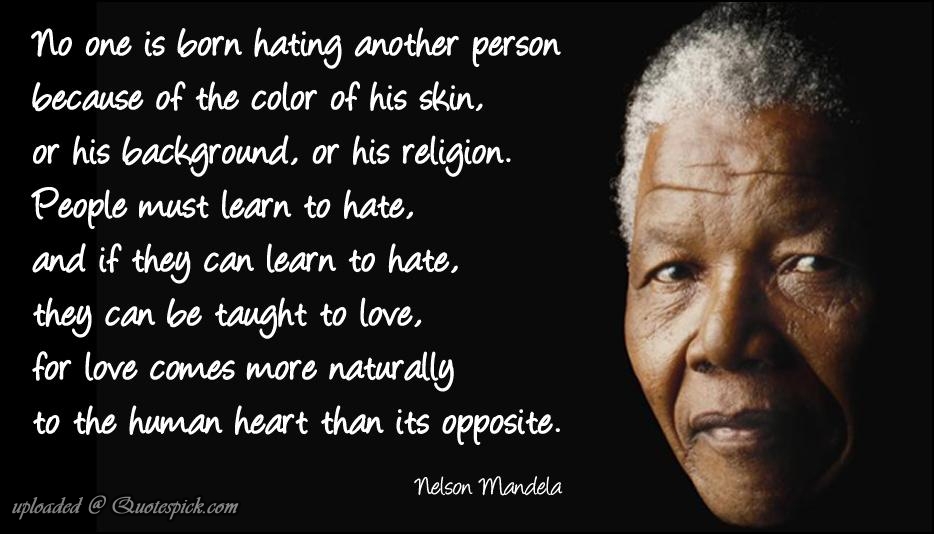
“I have fought against white domination and I have fought against black domination. I have cherished the idea of a democratic and free society. If need be, it is an ideal for which I am prepared to die.” Nelson Mandela
Introduction
Like countless South Africans, my personal narrative has been shaped by the unjust laws that governed our lives during the era of Apartheid. This discriminatory system was designed to enforce racial segregation and exert control over the economic and social fabric of our nation. It permeated every aspect of our existence, casting its shadow upon my own family. The Nationalist Government relentlessly pursued policies that perpetuated racial division, leading to the introduction of the Group Areas Act in the 1950s. Between 1960 and 1983, approximately 3.5 million people were forcibly removed from their homes and relocated to segregated areas.
My mother’s family are from South End, a location considered prime real estate due to its proximity to the breath-taking Algoa Bay, now known as Nelson Mandela Bay, Port Elizabeth. Sadly, their family home was reduced to rubble in the late 1960s, and their land was seized and handed over to exclusively white settlement. They were uprooted and relocated to a suburb called Malabar, which had been designated for Indians. Malabar became their new home which was far removed from the city center and the beautiful beaches. Journeys to work became longer, as they forcibly distanced from the opportunities and amenities that were available to others. The oppressive pass laws further constrained their movements, requiring people of color to possess passes to enter white areas. My father, in his work-related travels, often found himself subject to these restrictions. There were instances when he was separated from us for months on end.
Both my parents were born into disadvantaged backgrounds, and my father shared stories of his experiences with me. He vividly recounted the ubiquitous signs that declared “Whites Only” at restaurants, beaches, walkways, buses, trains, toilets, and even on coffee mugs in the workplace. People of color were barred from entering these establishments, and we were forced to learn Afrikaans at school—an imposed language that represented the oppressor in our eyes at the time.
When my mother was just six years old, her parents sent her on a ship from Port Elizabeth to Durban, to live with relatives in hope for a better future. Unfortunately, these relatives had different plans for her. Instead of providing her with an education and nurturing her dreams, they assigned her the role of a housemaid and servant. Nights were spent on the cold cement floor, and her days were consumed by cooking and carrying out all the household chores. She found solace in the company of her brother, who had been sent ahead of her at age of four. Despite the difficult circumstances, their bond grew stronger with each passing day. Finally, at the age of 18, my mother returned to Port Elizabeth, where she was reunited with her ten siblings. It was there that she discovered her true identity and even learned her own birthday. Astonishingly, the family she had stayed with in Durban had never acknowledged or celebrated her special day. It was during this time that she crossed paths with my father, and their connection was immediate. Despite being just 19 years old, and against my grandfather’s wishes, they made the bold decision to get married.
When my father was only four years old, he tragically lost his father. Unable to provide for all her children, my grandmother made the difficult decision to send him to a convent/orphanage in Durban’s Overport area. There, he received his primary education, but once he completed his studies, he ventured out of the convent in search of employment.
Destiny led him to the hospitality industry, where he found work as a waiter in hotels and bars. It was during this time that he had the opportunity to mingle with talented musicians and develop his own musical skills, particularly on the guitar. His passion for music grew, becoming a significant part of his life.
However, my father’s journey didn’t stop there. Seeking new opportunities, he pursued a career as a glazer. His newfound profession took him to various places, including Port Elizabeth, where he found employment and further honed his skills. The world of glazing allowed him to travel and explore different locations while providing for himself and, eventually, our family
The turning point arrived in 1990, after a prolonged period of resistance by anti-apartheid movements, when the ban on the African National Congress was finally lifted. It was a time of both trepidation and optimism, as we faced the uncertain future. Life presented numerous challenges for my family both socially and economically. We resided in a modest council house in the neighbourhood of Malabar, Port Elizabeth. Electricity was a luxury we rarely had, and our house consisted of four rooms, including a kitchen and dining area. The roof lacked ceilings, and the cement floor was covered in oil mats. We didn’t have the convenience of hot water, and our toilet was located outside. Our family unit consisted of seven individuals, our parents, 5 kids. As the youngest daughter, I bore witness to the profound impact of a deeply tragic event that forever changed our lives. We experienced the devastating loss of my eldest sister, when she was merely ten years old, a heart-wrenching incident that occurred on Christmas Eve. Three years before this heartbreak, she underwent a significant heart operation at Groote Schuur Hospital, skillfully performed by the esteemed surgeon, Dr. Chris Barnard’s brother. Upon hearing of her passing, he too was devastated, having invested his expertise and care into her well-being.
My father possessed remarkable talent, particularly in singing. In our community, he was renowned for his renditions of songs by Elvis, Louis Armstrong, Tom Jones, Fred Astaire, and many others. He loved entertaining his friends with his music and had a unique ability to pick up any tune just by listening. We cherished the moments when he serenaded my mother, as he had a way of making her sing along. On every occasion, he would sing to us, even creating his own version of the Happy Birthday song for my brother. Our conversations were always filled with his entertaining stories, and his infectious laughter made even his own jokes more hilarious. Yet, beneath this jovial exterior, my father was physically and mentally abusive towards my mother and siblings. The abuse persisted for many years, well into his early sixties. I can vividly recall the fear that consumed us whenever he returned home drunk, threatening the safety of our household. Despite our young age, we tried our best to protect our mother, but we felt weak and helpless. Regrettably, my eldest sister, too fell victim to the cycle of abuse that cast a dark shadow over our lives. Her tragic and untimely passing at the age of ten serves as a painful reminder of the impact this abuse had on our family. It was on that fateful day, Christmas Eve, when my father, inebriated with his friends, had filled our house with parties. Seeking refuge and safety for us, my mother urged my eldest sister to head to the church ahead of our family. However, in an unexpected turn of events, she decided to play a game of ball with our neighbour. This innocent diversion led to a catastrophic hit-and-run accident, forever shattering our lives and further underscoring the devastating consequences of the abuse we endured.
The impact of this event on my father was profound, shattering his world and forever altering his perspective on life and his interactions with others. My parents already burdened with the immense responsibility of providing for our family, this devastating incident inflicted an even deeper wound. It culminated into my mother suffering a stroke at the age of 30, further complicating our already challenging circumstances.
Thankfully, my mother displayed incredible resilience and strength, eventually recovering from the stroke. She continued to work tirelessly as a domestic servant in the homes of our priest and members of the congregation. Despite the demanding nature of her work, the compensation she received was minimal, often in the form of leftover food that she brought home for us. While she longed to break free from the cycle and leave my father, the reality was that her lack of education and limited job opportunities prevented her from finding a full-time, higher-paying position that could sustain our family.
It was a constant struggle for my parents to make ends meet, and they found themselves trapped in a cycle of financial hardship and dependency. Yet, despite the challenges, my mother’s resilience and determination shone through as she persevered in her role and provider for our family.
Studies reveal that children growing up in an environment of domestic violence often experience anxiety, depression, eating and sleeping disorders, headaches, abdominal pains, low self-esteem. These effects manifested in our lives through sleeping difficulties, anxiety, and stomach problems. We would attend school exhausted, struggling to recover from the aggression of the previous night. It became challenging to maintain focus and perform well academically. Feelings of inferiority, inadequacy, and sadness consumed me. Most of our teachers, who were from Durban, showed little empathy or compassion. They were strict with us, constantly embarrassing us for our inability to afford school uniforms and fees. In primary school, one particularly teacher was allowed to physically punish us with a wooden ruler, which she referred to as a “Starbar.” She even resorted to throwing the chalkboard duster at us on several occasions. One memory that remains etched in my mind is when, at the age of nine, I failed to answer an Afrikaans question. My punishment was degrading; she made me sit on the dustbin in front of the entire class for the entire hour-long lesson. It was a brutal experience that left me feeling humiliated.
Research suggests that the most crucial factor protecting children from the negative impact of violence is having a strong relationship with a competent, caring, and positive adult, often a parent. Despite being a witness to and victim of violence, my mother fulfilled this role admirably. I could never comprehend how she endured the horrendous beatings. Nightmares of those episodes still haunt me. One thing that kept my mother going was her unwavering faith in Jesus. She raised us in the church just around the corner from our house, which became our sanctuary. Within the church community, my mother found comfort in her closest friend, a missionary worker whose presence was a gift. This remarkable woman embodied the essence of humility, compassion, spirituality, and Christ-like love. She was concerned about our well-being, serving as a pillar of strength during our darkest moments. With a gentle approach, she guided and corrected us when we veered off course, reminding us of the importance of staying on the right path. During our most challenging times, she emerged as our shining light, making it her personal mission to be there for us, offering love, support and comfort during the darkest of hours.
On many nights, we stayed in the chapel when we managed to escape my father’s violence. When we didn’t have access to the church, or when my mother’s family refused to provide shelter, we slept in the park adjacent to the church. My mother’s bravery and resourcefulness were truly remarkable. However, there were moments that frustrated me immensely. Whenever she knew my father would be late returning from work, signaling a tumultuous night ahead, she would take her time finishing her chores and getting us out of the house. As he made his way towards our neighbourhood, we would jump over the fence to our neighbour’s house, hiding and running, repeating the process until we reached safety. If, by unfortunate chance, we were caught inside the house, it would result in hours of drunken and volatile behavior. The beatings weren’t limited to my mother alone; they extended to all of us if we happened to be in the way. My father’s drunkenness led to suicide attempts, hanging himself from the bedroom ceiling or the roof of the outdoor toilet. At a very young age I found him hanging from the beam of the bedroom ceiling. As i panicked I desperately searched the room for anything that could sever the rope. With a shaving blade discovered in the wardrobe, I tried my best to cut through the rope.
In addition to the toll it took on his physical health, the consumption of drugs also fuelled a disturbing aggression within him, leading to frequent altercations with both neighbours and even members of our own family. It became our duty to do everything within our power to shield our younger brother, and safeguard him against the challenges we faced.
Our neighbours were entangled in dangerous gangs and drug-related activities. Living in a semi-detached house meant we could hear every disturbance from their side. Witnessing the physical and mental abuse their sons inflicted upon their wives and parents was heart-wrenching. For my own family, recurring attacks became a distressing reality, occurring whenever the sons of our neighbours were intoxicated. These incidents would culminate in sudden, violent assaults on my father, with the intruders attempting to breach our home. When unsuccessful, they resorted to throwing bricks at our windows, leaving us cowering under the beds, seeking refuge. Over the course of five long years, our family faced a relentless series of sudden attacks, leaving us in a state of vulnerability.
My 3rd eldest sister played a crucial role during these turbulent times. She kept 50 cents in her pocket along with the key to the door, ready to either jump through a window or sneak out the door to seek help or call the police. Her boldness and fearlessness were inspiring, as she would risk entering the house while my father was in a deep sleep after a night of excessive partying and drinking, just to retrieve clothes for us. My 2nd eldest sister, on the other hand, took it upon herself to care for us, ensuring our well-being and protecting us from harm. She shouldered the responsibilities of cleaning and cooking when my mother fell ill.
My father used fear as a tool to control and dominate us. He established himself as a disciplinarian, and even in moments of sobriety and calmness, we remained afraid. We were afraid to speak, to express our opinions, to bring friends home, or to have a boyfriend. In our tiny house, he reigned as the king of the castle. My mother taught us to communicate in whispers, fearing any sound might attract his attention. We were hushed if we raised our voices even slightly. Our lives revolved around secrecy and hidden truths. However, within this harsh reality, resilience, strength, and kindness also thrived. My mother’s unwavering love for her children shone through her actions and sacrifices. Despite the pain and abuse she endured, she made sure we had a safe haven in the church. She found strength in her faith, and she instilled the same values in us. Her determination to protect us from harm was unwavering. My sisters, were scared yet courage and selfless. They embraced their roles with grace, taking on responsibilities beyond their years. They became pillars of support and guardians of our well-being. Their acts of bravery and sacrifice were driven by love, compassion, and a fierce desire to shield my brother and I from the horrors of our household. Through it all, our resilience prevailed. We found comfort in each other, offering support in the face of adversity. Our collective strength and determination allowed us to endure and overcome the challenges we faced daily.
As my brother matured he too bore witness to the relentless cycle of toxic behaviour that persisted with my father. There came a point in his early twenties when he could no longer tolerate the sight of our mother enduring such abuse. With courage, he found the strength to confront our father, challenging him on multiple occasions. These confrontations, driven by a deep desire to protect and defend our mother, often left my brother grappling with conflicting emotions. As he stood up against the abuse, a sense of remorse weighed heavily on his heart, knowing that his actions would stir regret within him. However, alongside this remorse, there also simmered a justified indignation, born out of the disrespect that our father’s behaviour had inflicted upon our family.
A significant turning point in our lives unfolded when my father experienced two major heart attacks spanning a period of 12 years. The first occurred when he was 58, leading to a quadruple bypass surgery. Sadly, he had to undergo another bypass surgery at the age of 70 due to neglecting his health after the initial procedure. It was a wake-up call for him. Eventually, in his late sixties, he underwent a profound transformation, dedicating his life to Jesus. Filled with remorse, he sought forgiveness and expressed genuine contrition on multiple occasions, embodying a true testament of redemption and change.
We made the powerful decision to forgive him, and as a result, we were able to embrace the remaining years with a newfound sense of joy and unity. During this time, we cherished the precious moments spent in his company, watching him revel in the joy of being a grandfather to his grandchildren. It was a period of healing, reconciliation, and the creation of beautiful memories that will forever hold a special place in our hearts. Tragically, in February 2020, we were confronted with the devastating news that he had cancer. Sarcoma cancer had invaded his spine, robbing him of his mobility and leaving us with a profound sense of loss. The void created by his absence is immeasurable, and we continue to carry the memories of our time together deep within our hearts. Despite the sorrow and pain, we find comfort in the knowledge that he is now free from suffering, his spirit forever etched in our hearts as we navigate life without him.
Conclusion
Today, as I reflect on our journey, I carry those memories with me, lessons of resilience, strength, and kindness are within me. I am committed to breaking the cycle of violence and fostering compassion and empathy in the world around me. Despite the hardships we endured, I have emerged with a deep understanding of the power of resilience and the transformative nature of kindness and compassion.

 Onwards&Upwards